The four Cs of diamonds
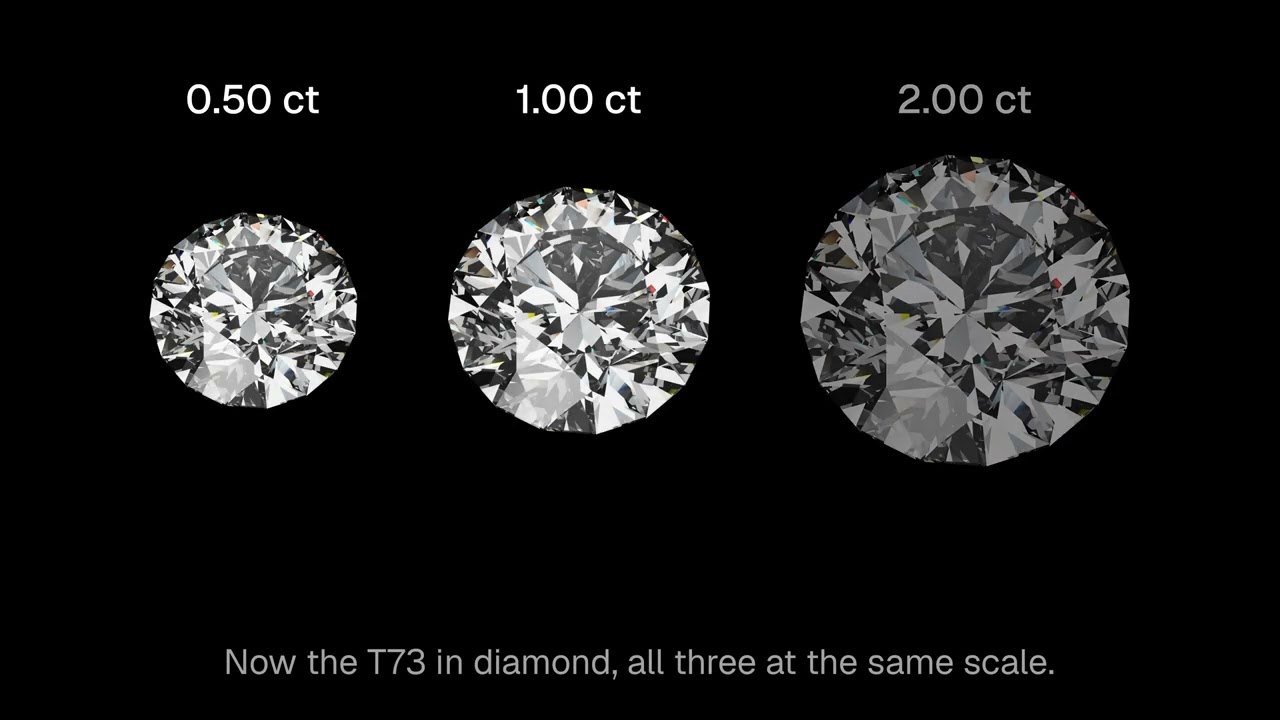
A 2 carat diamond is not twice as big as a 1 carat. Find out how big it really looks.
Eight lessons · three videos
Start with: Carat weight vs size: why a 2 ct diamond isn't twice as big
Digital Gemology
59 free lessons in seven topics · 23 videos
Free lessons on diamonds and how they are cut and graded. Pick what you are curious about and start there. Every lesson stands on its own: a few minutes of reading, a free tool to try, and a quick quiz at the end.
Pick a topic you are curious about. Read one lesson or all of them, in any order.
A 2 carat diamond is not twice as big as a 1 carat. Find out how big it really looks.
Eight lessons · three videos
Start with: Carat weight vs size: why a 2 ct diamond isn't twice as big
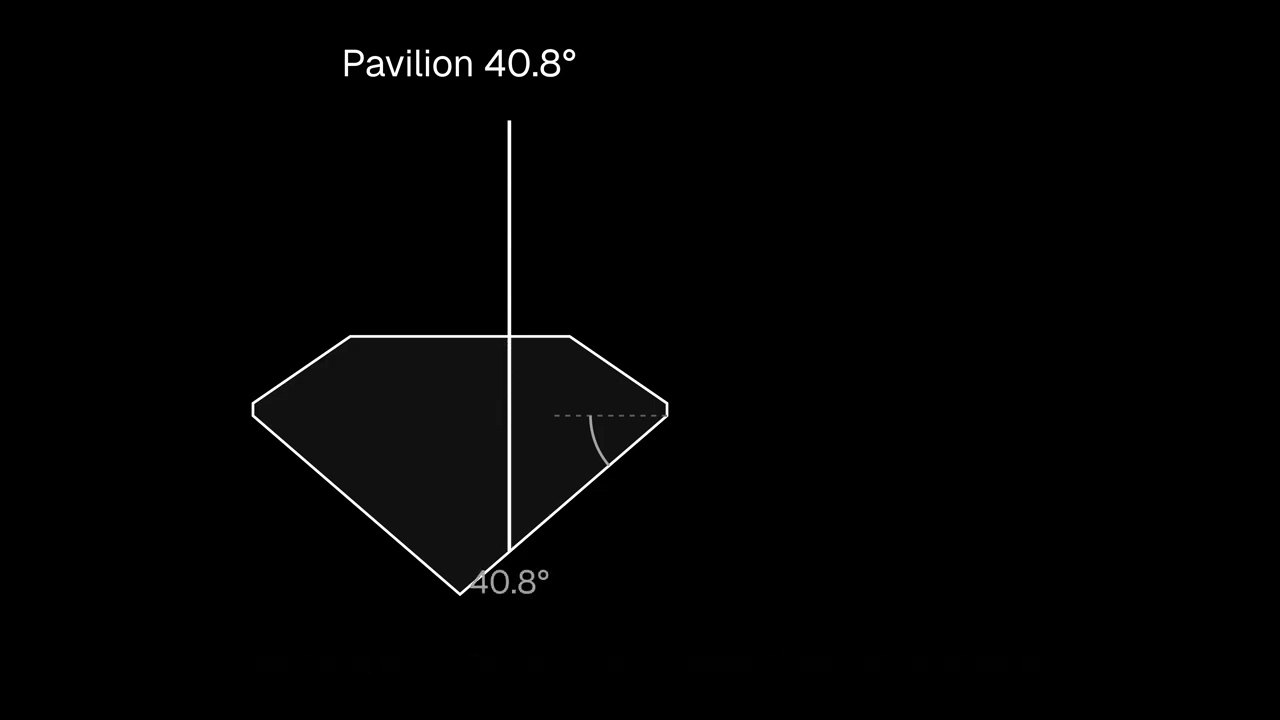
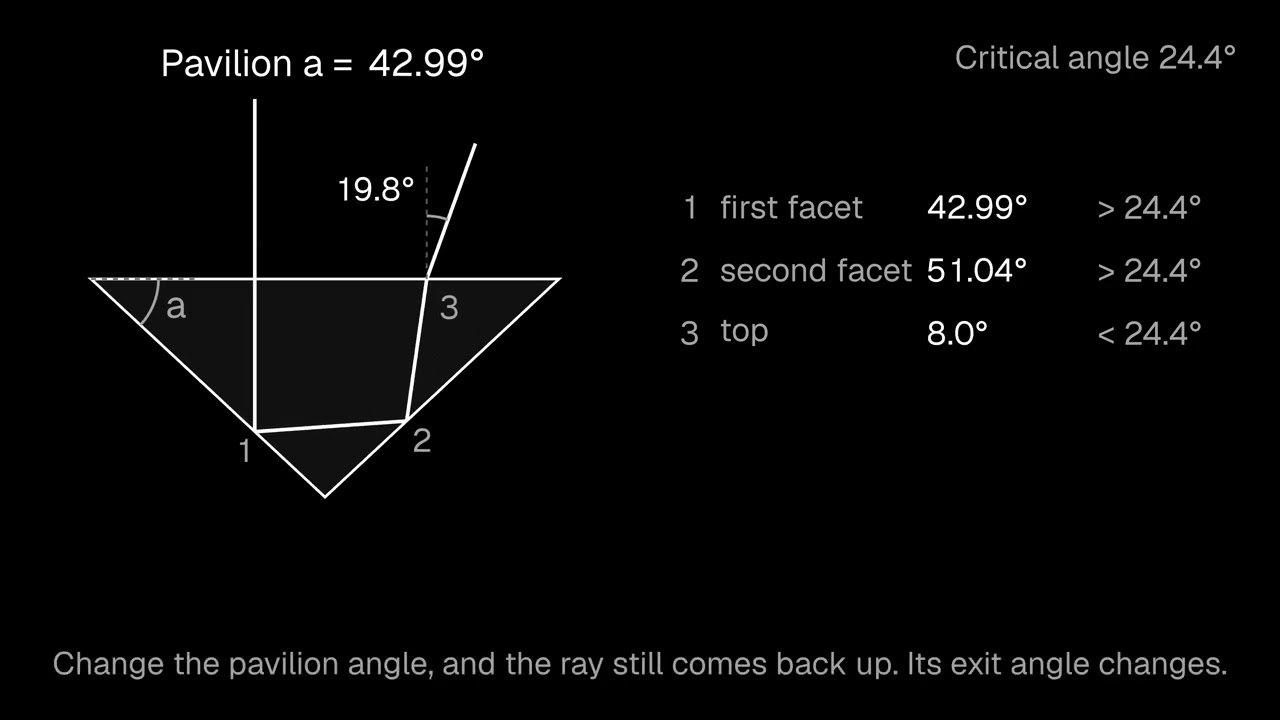
Two tenths of a degree on the pavilion can change a cut grade. See where the light goes.
Nine lessons · five videos
Start with: Pavilion angle and pavilion depth: how a diamond keeps the light in
Read a grading report line by line, the way a gemologist does.
Nine lessons · one video
Start with: How to read the proportion diagram on a diamond report
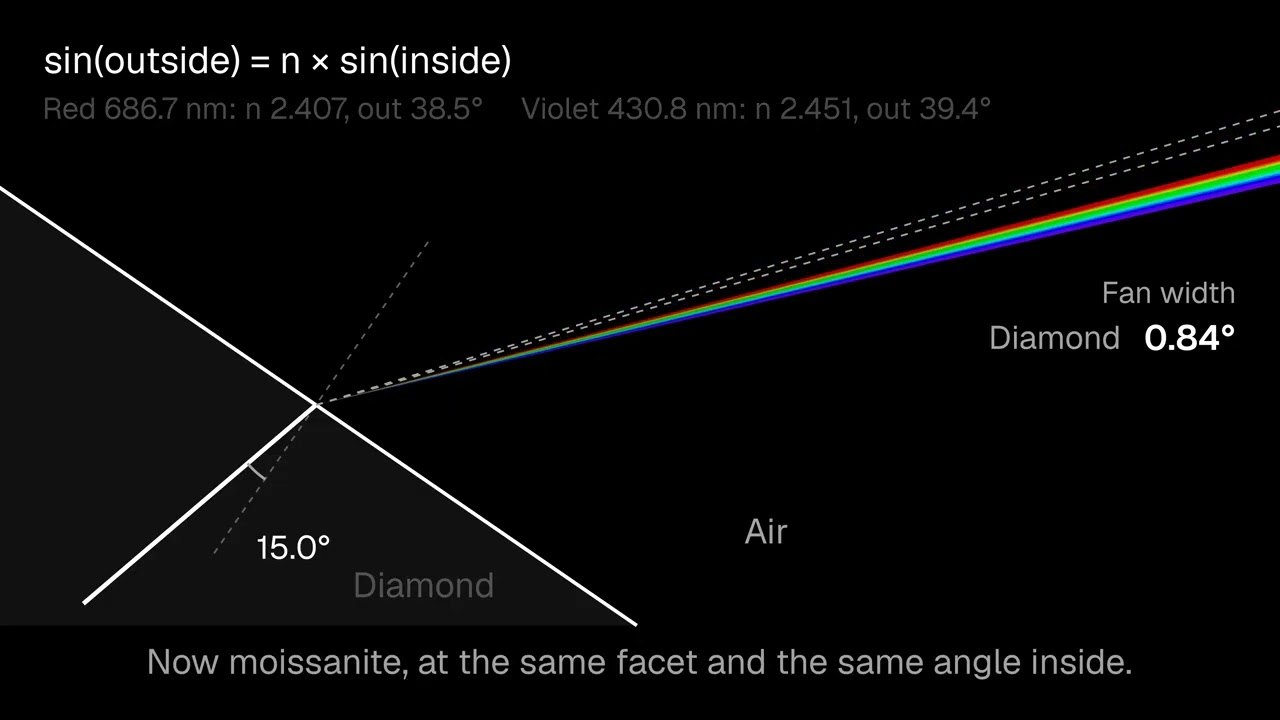
Moissanite out-fires diamond in 36 of the 37 cuts we score. So how do you tell them apart?
Ten lessons · four videos
Start with: Why moissanite shows more fire than diamond
From eight facets to a computer-designed round: how the brilliant got its sparkle.
Eight lessons · seven videos
Start with: Tolkowsky's 1919 ideal cut: the brilliant that was calculated
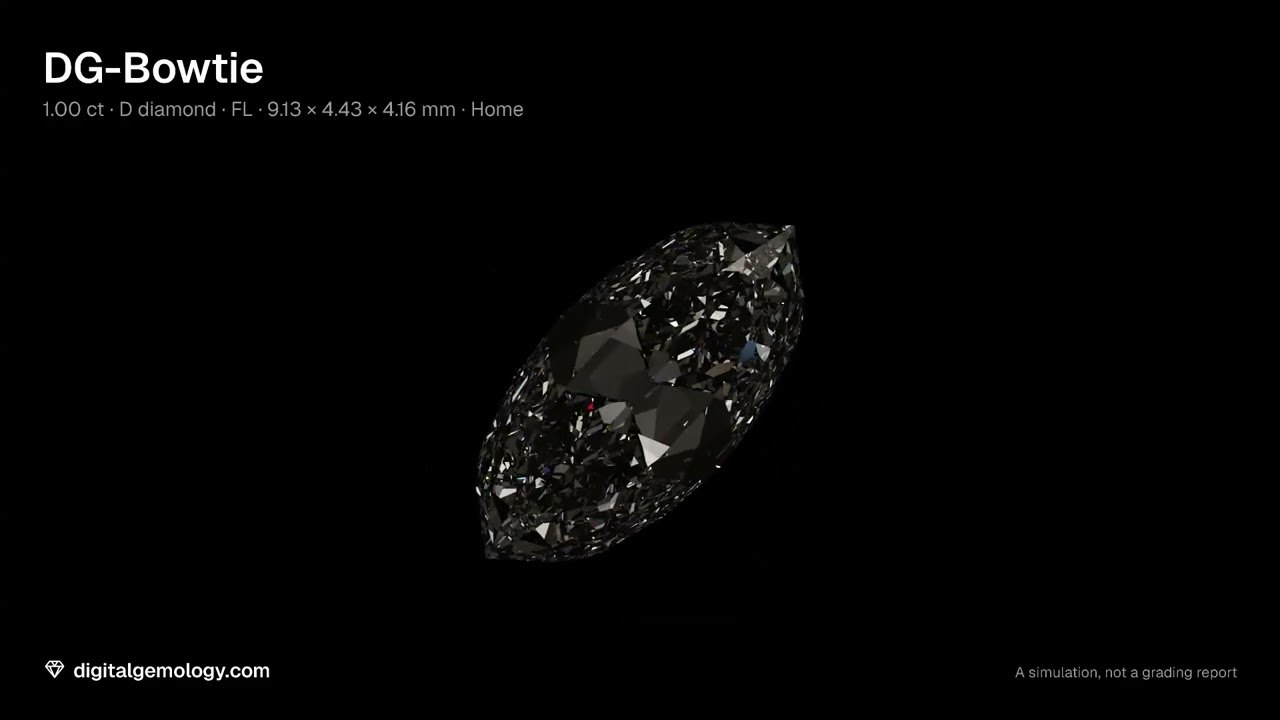
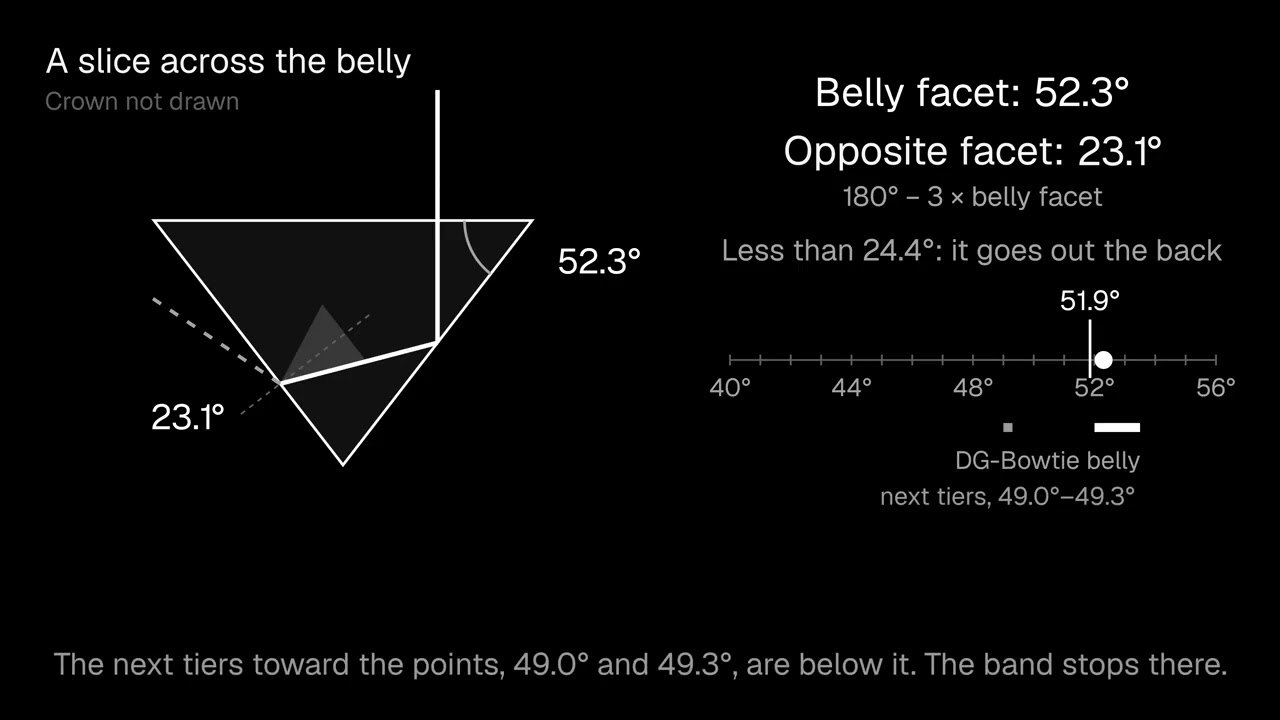
That dark band across an oval or a marquise: what it is, and how we cut one out.
Nine lessons · three videos
Start with: Fixing a bow-tie: the steep belly of DG-Bowtie
One diamond from the earth and two from a laboratory. Which tests can tell them apart, and which cannot?
Six lessons · zero videos
Start with: Natural vs lab-grown diamonds: three diamonds, one material
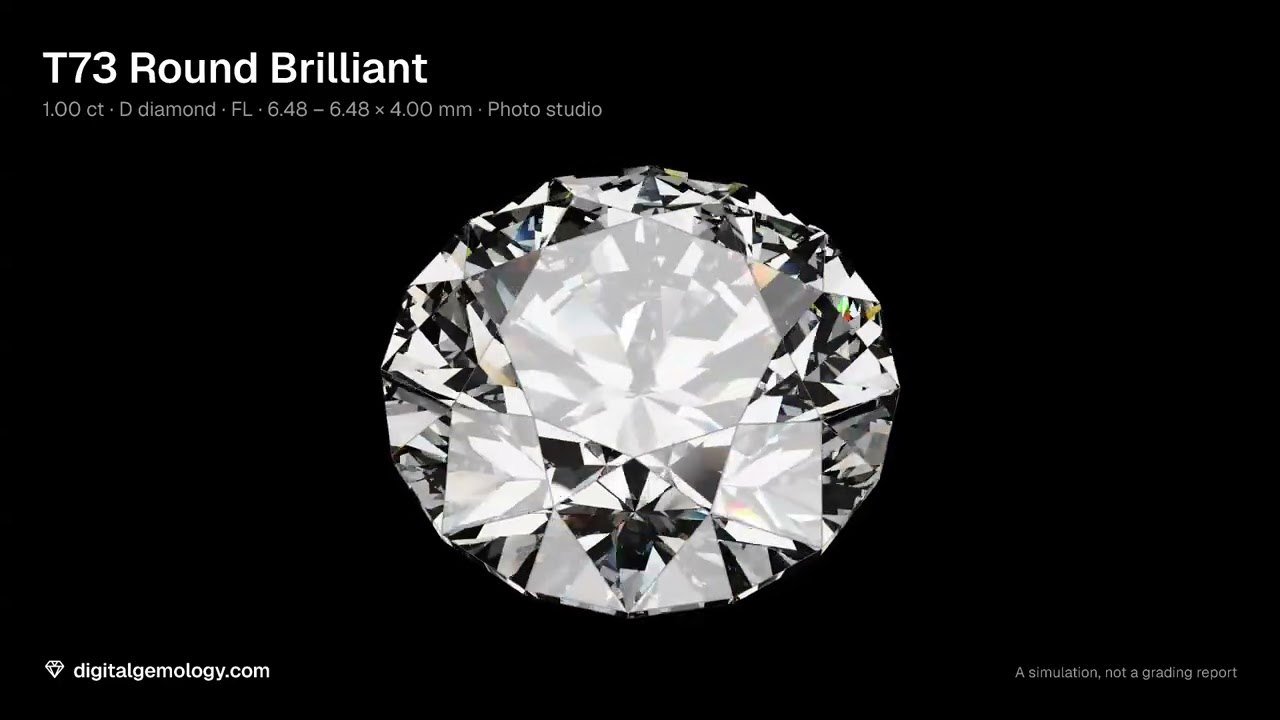
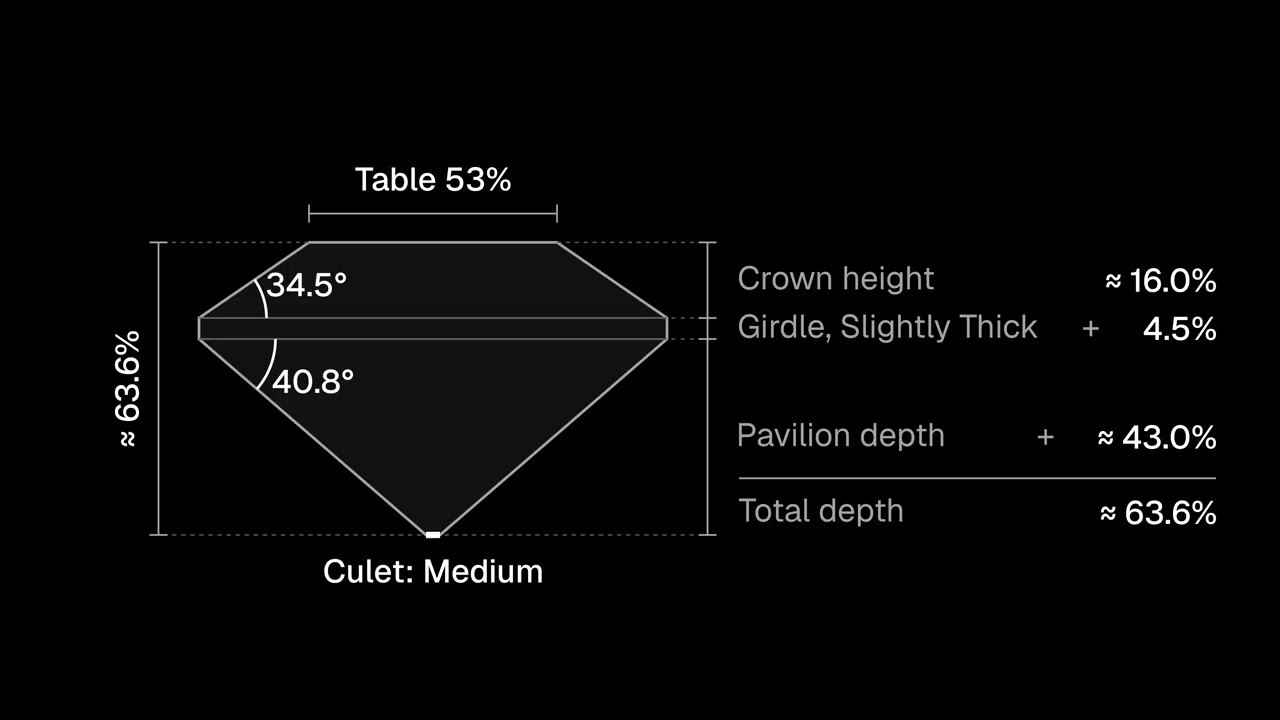
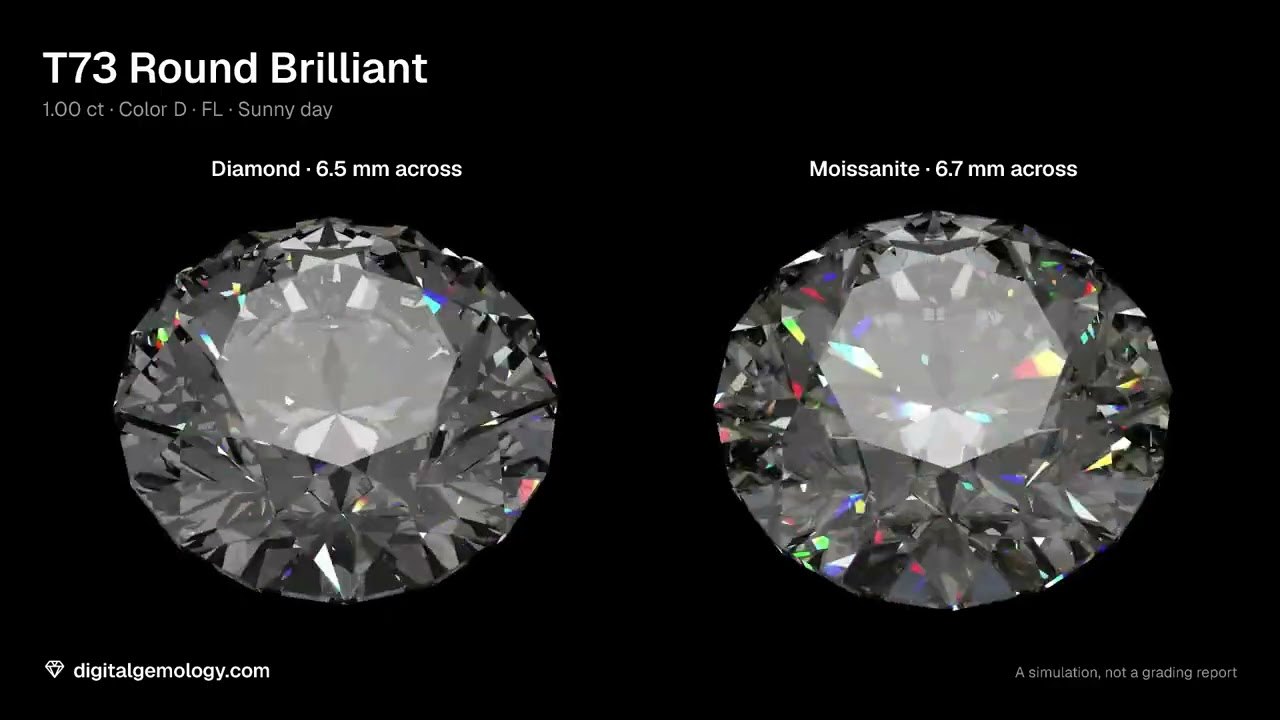
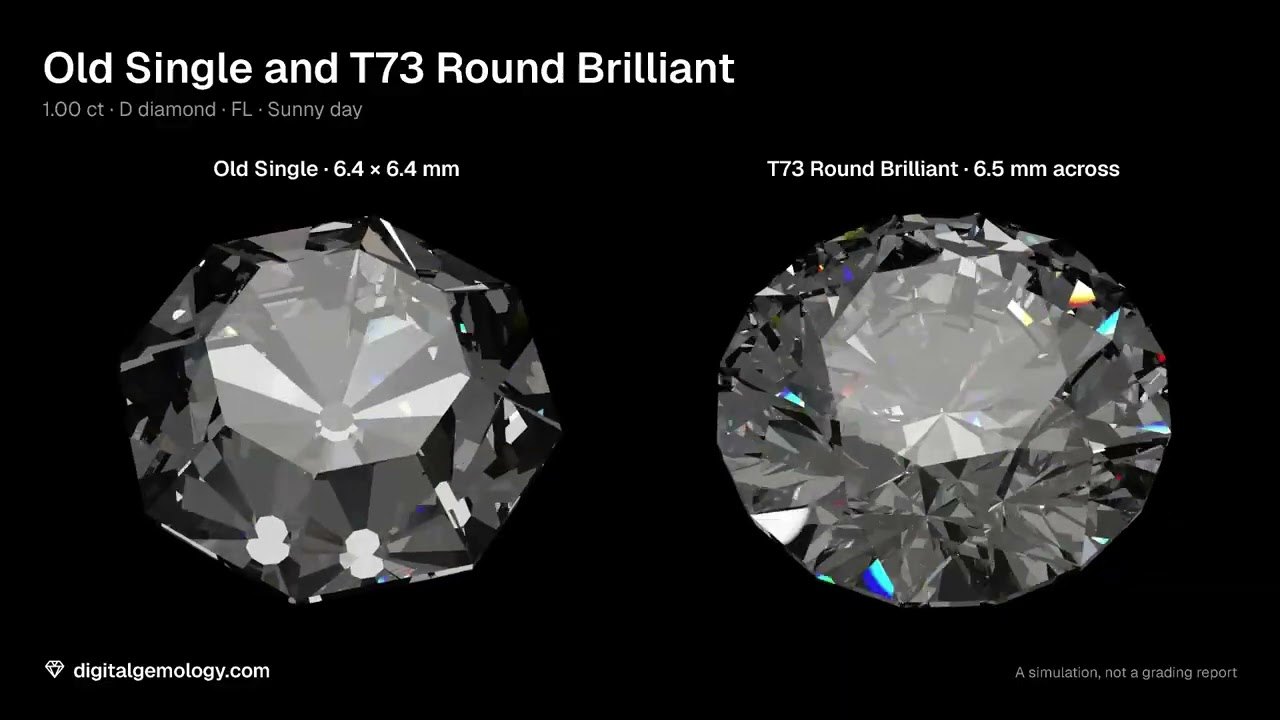
Six short animations with captions on screen. Each one opens its lesson.
The four Cs of diamonds
Diamond anatomy and proportions
How to read a diamond grading report
Diamond vs moissanite
Historic diamond cuts: the history of the brilliant
The bow-tie effect
Digital Gemology Cut Performance Index: how every cut we sell scores on brilliance, fire, scintillation and more, in 26 gemstones, from diamond, moissanite and sapphire to topaz, spinel and zircon. Sortable tables, the method, and the data to download.
Gemology glossary: every word on a diamond grading report, the four Cs, clarity characteristics, and how we measure brilliance, fire and scintillation. One page per term.
Answers from our measurements: the cut that returns the most light in six gemstones, which diamond shape sparkles most and which looks biggest, each answered from our own measurements.
Every lesson ends with a few questions, and five topics have a quiz of their own. No account, nothing saved: pick an answer and see at once if you got it, and why.
Every cut in these lessons is in our library, with 3D models and cutting files for sale.